Something About These Pastries Feels Underrated
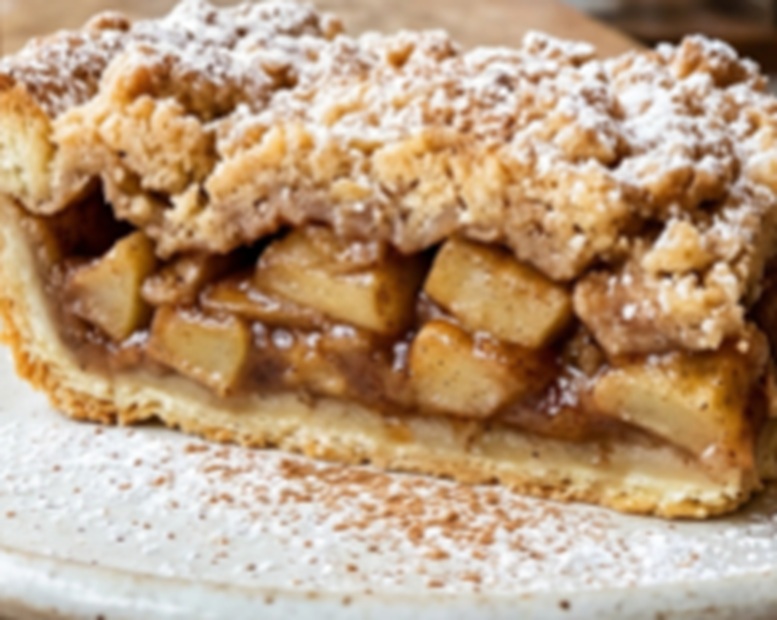
Walk into any old-school Chicago bakery and you’ll find them stacked near the register, usually wrapped in wax paper. Apple slices. Not pie. Not a turnover. Something flatter, more practical, with a crackled white glaze on top that gets slightly sticky by afternoon. I didn’t grow up in Chicago but the first time I had one, I understood immediately why people are quietly loyal to them.
They’re not flashy. That might be the whole point.
The thing people usually get wrong before they start
Most folks assume it’s just a slab pie with different branding. But the dough is softer, almost tender in a way that pie crust usually isn’t. And the filling runs thinner — spread across a sheet pan, not piled. The ratio of pastry to apple is different, and that changes how the whole thing feels to eat.
Ingredients
For the dough:
3 cups all-purpose flour
1 tsp salt
1 cup cold unsalted butter, cut into cubes
2 egg yolks
½ cup cold milk (give or take — the dough tells you when it’s enough)
For the apple filling:
6 medium apples, peeled and sliced thin (Granny Smith, or a mix)
¾ cup sugar
1½ tsp cinnamon
¼ tsp nutmeg, optional but worth it
1½ tbsp cornstarch
1 tbsp lemon juice
For the glaze:
1 cup powdered sugar
2–3 tbsp milk
A few drops of vanilla
On apples specifically
Granny Smith is the standard answer, and it’s a good one. Firm, tart, holds its shape. But I’ve started mixing in one Honeycrisp and it rounds things out in a way that’s hard to explain — less aggressive sweetness, just more depth. Not everyone does this, and that’s fine.
Instructions
Cut the butter into the flour and salt until the mixture looks uneven — some larger pieces, some smaller. That unevenness is correct. Whisk the yolks into the cold milk, then add that liquid gradually until the dough just barely holds. Split it in two, press flat, wrap it up, and refrigerate for an hour minimum.
While it chills, toss the sliced apples with sugar, spices, cornstarch, and lemon juice. Let them sit. They’ll release juice — that’s expected, and the cornstarch will handle it during baking.
Preheat to 375°F. Roll one dough half out and press it into a rimmed sheet pan, roughly 10×15 inches. It may tear at the edges. Patch it. Spread the filling evenly, leaving a border. Roll the second half over the top, seal the edges, cut a few slits, and bake 35 to 40 minutes until golden.
Cool it for 25 or 30 minutes before glazing. Not fully cold. Just not steaming.
What tends to go sideways during baking
The bottom crust gets soggy if the filling was too wet going in, or if the cornstarch was skipped. Also — the top crust slides when you transfer it sometimes. Press it back down. It looks messy going in and fine coming out. The glaze covers more than you’d expect.
Hints for Success
Cold butter. Cold milk. Cold hands if you can manage it. This dough does not do well with warmth — it gets greasy and loses its texture entirely. Work fast during the rolling stage.
Don’t rush the cooling before glazing. The powdered sugar mixture melts into a thin, invisible coat if the pastry is still fully hot, and then you have to do it again. Waiting half an hour feels unnecessary until it isn’t.
A detail that sounds minor but isn’t
Slice the apples uniformly thin. Thick chunks create uneven baking — some pieces turn to mush while others stay undercooked and hard. A mandoline helps, but careful knife work is fine. Aim for about an eighth of an inch.
Health Benefits
Apples carry real fiber, specifically pectin, which supports digestion in a measurable way. They also bring quercetin and other antioxidants that don’t disappear entirely through baking, though the amounts shift with heat. Cinnamon has been studied for modest effects on blood sugar response — the evidence is reasonable, not dramatic.
Lemon juice adds a small amount of vitamin C. Butter contributes fat-soluble vitamins A and E in the kind of quantities that aren’t worth overstating.
Honestly though
This is a pastry with a sugar glaze. It can be part of a varied diet without guilt, but framing it as a health food would be pushing it. Better to just enjoy it for what it is — something made with real ingredients, no preservatives if you make it at home, and the kind of satisfaction that processed snacks don’t quite replicate.
Nutritional Information (Estimated per serving, based on 16 slices)
Calories: approximately 285–315 kcal
Total Fat: about 13g
Saturated Fat: about 8g
Carbohydrates: about 41g
Sugars: about 19g
Dietary Fiber: about 2g
Protein: about 3g
Sodium: about 125mg
Variations and Substitutions
Pears work instead of apples — softer result, quieter flavor. Some bakers add a thin layer of cream cheese under the filling, which makes the whole thing richer and slightly more indulgent. Brown sugar in the filling instead of white gives a deeper, almost caramel undertone that works well in fall and winter.
For a dairy-free version, plant-based butter is a reasonable swap. The dough comes out slightly less flaky, more uniform in texture — not bad, just different.
On the glaze
A few Chicago bakeries use egg white glaze instead of powdered sugar. It’s shinier and less sweet, and it lets the pastry flavor come through more clearly. Whether that’s better depends entirely on what you grew up expecting. Both are legitimate.
FAQs
Can this be made a day ahead?
Yes. It keeps well overnight in the fridge and the pastry actually firms up in a way that makes it easier to cut cleanly. Some people prefer it cold the next morning, which I understand.
Can you freeze it?
The unbaked assembled version freezes well. Bake from frozen with an added 12–15 minutes. The baked version freezes too, but the glaze loses its appearance after thawing — still tastes fine, just looks rougher.
What’s the best pan?
A standard half-sheet rimmed baking pan. Smaller means thicker layers and longer bake time, which can leave the filling undercooked in the center.
Conclusion
There are pastries that announce themselves, and then there are ones like this — the kind that sit quietly in a bakery case and get bought by people who already know what they are. Chicago apple slices have been around long enough that they don’t need to explain anything.
Making them at home produces something close but not identical. And that gap, whatever it is, might just be the sheet pan, the oven temperature, or the fact that bakery versions have been made the same way for decades by people who stopped measuring things precisely a long time ago.